

Nutrition affects energy levels, digestion, immunity, mental health, and the course of many diseases. When people seek help with their diet, they often come across terms like dietitian, nutrition therapist, nutrition coach, nutrition specialist, or health coach. At first glance, these may sound similar, but in the Czech context, there are important differences.
If you are addressing nutrition in connection with your health, illness, medication, intolerances, or specific dietary needs, it is usually best to consult a dietitian (in Czech context often referred as nutrition therapist). This is a licensed healthcare professional with formal education and clearly defined competencies. A nutrition coach can offer general advice, but they may not always have the qualifications or authorization to work with health-related nutrition issues.
A dietitian (nutrition therapist) is a non-physician healthcare professional whose education and practice are defined by law in the Czech Republic. This means they are not simply someone interested in healthy eating, but a trained expert in nutrition, dietetics, and patient care.
A nutrition therapist works with people who:
In healthcare, the key advantage of a dietitian (nutrition therapist) is their ability to assess nutrition comprehensively, taking into account medical conditions, diagnoses, and physician recommendations.
A nutrition coach may focus on meal planning, weight loss, or general healthy eating principles. However, in the Czech Republic, this is not a regulated healthcare profession. This means that even individuals without formal medical education - often after completing short courses - can provide these services.
This does not automatically mean a nutrition coach lacks quality. The key differences are:
When choosing a professional, it is essential to verify their education and practical experience.
Nutrition may also be addressed by other professionals, most commonly:
Each profession plays a different role. Physicians diagnose and treat, nutrition therapists (dietitians) focus on diet as part of care, and nutrition coaches provide general lifestyle guidance. If you have a health condition, the safest starting point is a professional trained in clinical nutrition.
When selecting a specialist, it helps to check a few key factors. A qualified nutrition therapist typically:
A good sign is also when the specialist asks about your health status, medications, lab results, digestion, lifestyle, and goals. This indicates an individualized approach rather than a one-size-fits-all diet plan.
General healthy eating advice can be helpful, but it is not always sufficient. Professional support is especially important when:
In these cases, a dietitian/nutrition therapist provides the greatest benefit by tailoring recommendations not only to your goals but also to your health context.
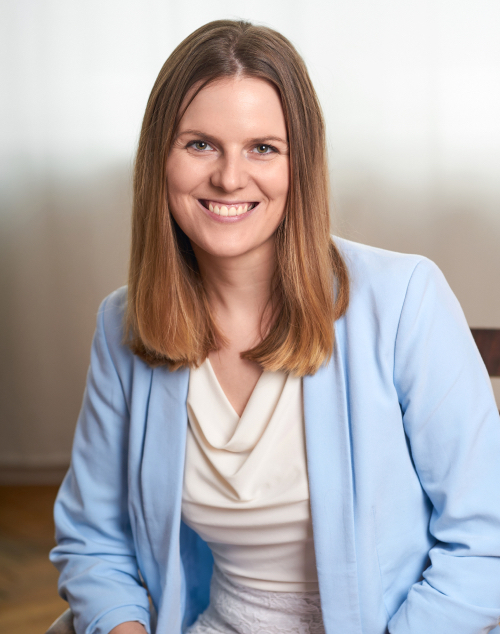
At EUNOMA Clinic, we view nutrition as an integral part of overall health. Nutrition therapist/dietitian Kateřina Kozáková helps clients create a diet that is practical, safe, sustainable, and tailored to individual needs.
We believe that a healthy relationship with food is the foundation of long-term health and well-being. It’s not about strict rules, calorie counting, or guilt - it’s about understanding your body’s needs and respecting its signals..
Working with Kateřina is ideal if you want to:
Kateřina Kozáková supports clients in rediscovering the joy of eating, learning to listen to their bodies, and accepting that nutrition can be a natural, balanced, and stress-free part of life. Together, they find sustainable solutions that integrate easily into daily routines and strengthen both confidence and motivation for self-care.
Would you like to learn how to manage your nutrition in a healthy, clear, and personalized way? Book an appointment with dietitian/nutrition therapist Kateřina Kozáková at EUNOMA Clinic and receive expert support in nutrition.
I have been working in the field of addiction counselling for more than 10 years. I hold a bachelor’s degree in Addictology from the First Faculty of Medicine and a degree in General Medicine from the Second Faculty of Medicine, Charles University. In my research, I focus on preventive medicine and epidemiology.
In my work with clients, I combine evidence-based knowledge with a holistic approach to mental health. My medical background enables me to understand the broader clinical context and to better support each client’s individual needs.