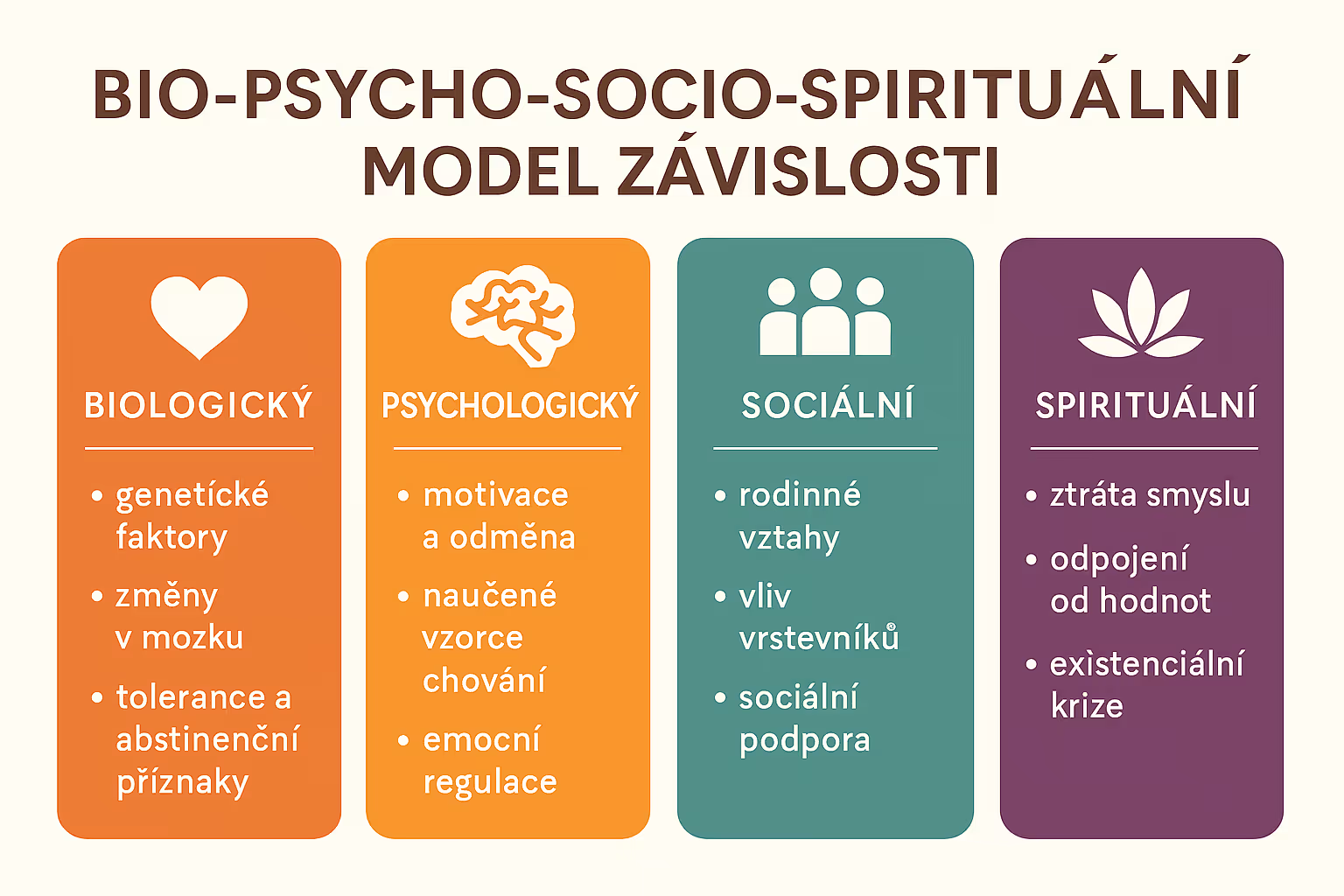
Addiction is not just a matter of weak will or one bad decision, and it is not just the result of a single cause, but a complex set of interconnected factors. The modern view of addiction therefore uses the so-called bio-psycho-socio-spiritual model, which includes four basic pillars: biological, psychological, social and spiritual. This model helps to better understand why addiction arises, how it can be effectively treated and how to prevent its return.
Biological Pillar (Body)
Genetics and heredity: Some people are genetically at higher risk of developing addiction.
Physical changes in the brain: Substance use affects brain circuits and chemistry, leading to physical dependence.
Health condition: Chronic illness, pain, or other physical ailments can increase susceptibility to substance use.
Tolerance and withdrawal: The body becomes accustomed to the substance and requires higher doses to achieve the same effect.
Psychological pillar (Mind)
Way of thinking and experiencing: Negative thought patterns, anxiety, depression, or low self-esteem can promote the development of addiction.
Self-medication: Using substances as an escape from psychological stress, trauma or pain, or as a response to mental illness (anxiety, depression, ADHD).
Psychological addiction: The desire for the substance is linked to the need to improve mood or escape reality.
Low stress resilience: A lack of stress coping strategies and the associated increased vulnerability can promote loss of control over substance use.
Social Pillar (Relationships)
Family and environment: The quality of relationships, family environment, and support play a crucial role in the development and treatment of addiction.
Peer pressure: Friends, colleagues, or the community can influence an individual's behavior.
Social status and environment: Poverty, social isolation, or lack of support increase the risk of addiction.
Sense of Belonging: The desire to belong can lead to substance use.
Spiritual Pillar (Soul)
Meaning of life and values: Loss of meaning, inner emptiness, or conflict of values can lead to seeking relief in substance use.
Morality and conscience: Feelings of guilt, shame, or internal conflict can maintain addiction.
Connection with the environment and spirituality: The search for a higher meaning, faith, or inner strength promotes recovery, hope for healing, and motivation for change.
Healing and Forgiveness: The healing process involves forgiving yourself and others and strengthening your inner strength.
How the pillars contribute to the development of addiction
Each pillar represents a separate but interconnected factor. For example, a genetic predisposition may increase risk, but without a supportive social environment and coping strategies, the risk is even greater. Psychological trauma, social isolation, or a loss of meaning in life can lead a person to seek relief in addictive substances.
The Importance of Understanding the Four Pillars in Addiction Treatment
Comprehensive approach: Effective addiction treatment requires work on all levels – physical, psychological, social and spiritual.
Individualized plan: Each person has a unique combination of risk factors, so it is important to tailor treatment.
Relapse prevention: Strengthening all pillars increases the chance of long-term recovery and reduces the risk of returning to addiction.
Support and motivation: Involving family, community, and working on personal development help a person find new meaning and motivation.
Each pillar is important and their connection is the key to successful therapy. Effective addiction treatment requires a comprehensive view of the person and their life circumstances.
If you are looking for help or support, do not hesitate to contact our clinic.
I have been working in the field of addiction counselling for more than 10 years. I hold a bachelor’s degree in Addictology from the First Faculty of Medicine and a degree in General Medicine from the Second Faculty of Medicine, Charles University. In my research, I focus on preventive medicine and epidemiology.
In my work with clients, I combine evidence-based knowledge with a holistic approach to mental health. My medical background enables me to understand the broader clinical context and to better support each client’s individual needs.