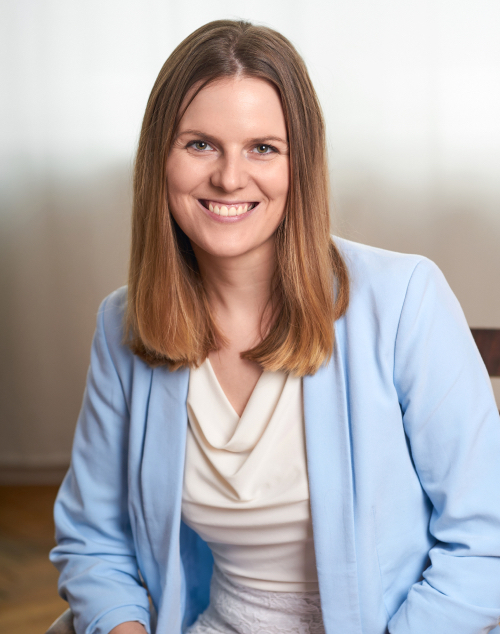


An interview was recently published on the FocusOn website, in which I had the opportunity to discuss the issue of alcohol and the use of other addictive substances in Czech society. The topic focused, among other things, on how much beer and wine is still okay and when consumption starts to become risky. In the interview, I explained what the recommended limits are for safe alcohol consumption and why it is important to monitor not only the amount but also the frequency of consumption. At the same time, we also discussed how alcohol affects our health and why it is important to talk openly about these issues.
In addition, we discussed other important topics in the interview:
You can listen to the entire interview on the FocusOn.cz website.
I have been working in the field of addiction counselling for more than 10 years. I hold a bachelor’s degree in Addictology from the First Faculty of Medicine and a degree in General Medicine from the Second Faculty of Medicine, Charles University. In my research, I focus on preventive medicine and epidemiology.
In my work with clients, I combine evidence-based knowledge with a holistic approach to mental health. My medical background enables me to understand the broader clinical context and to better support each client’s individual needs.