

A child wakes up in the morning with a stomachache, refuses breakfast and doesn't want to go to school. The doctor finds nothing, but the problem returns. In younger schoolchildren, it often doesn't have to be a physical illness, but anxiety and school stress that manifest themselves physically.
Anxiety in children aged 6-11 is most often hidden behind somatic symptoms: abdominal pain, headaches, nausea, diarrhea or morning vomiting - often just before going to school. The child may be irritable, cling to you more than usual, have nightmares or avoid peers. These signals indicate that the nervous system is overloaded by schoolwork, bullying or changes at home.
If the problems last longer than 2 weeks, affect school attendance or family life, it is time to seek professional help. In Czechia, up to half of schoolchildren suffer from mental health problems, with anxiety leading the way.
The transition to school, pressure to perform, conflicts with friends or arguments at home trigger a stress response. The child cannot yet name emotions, so they are "released" through the body. Triggers can be diverse: bullying, a new sibling, parents' divorce or too much time spent in front of screens.
These steps may provide short-term relief, but they do not address the cause of the problem.
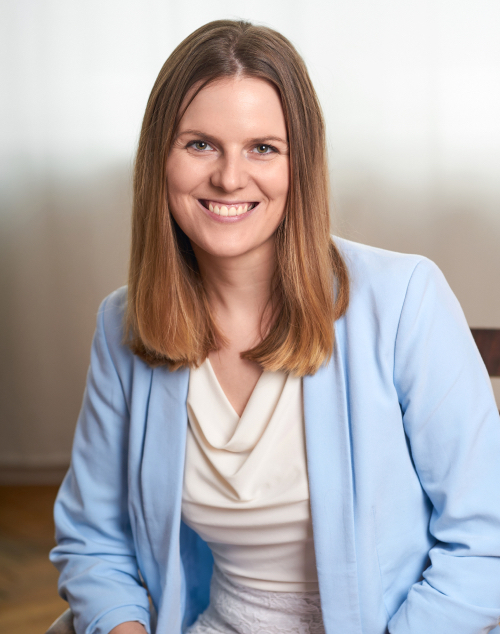
At our clinic, we use playful and experiential methods—such as drawing, play, and storytelling—to help children express their emotions without the need for words. Psychologist Rút Jungwirthová focuses on psychological counseling for children and adolescents, as well as supporting parents through challenging situations. Parents are actively involved throughout the process to help strengthen family connections. The first 50-minute consultation is dedicated to meeting with the parents and jointly outlining the next steps.
Taking the first step toward change can be very challenging. Schedule a consultation with a child psychologist Rút Jungwirthová so you don't have to go through this journey alone.
I have been working in the field of addiction counselling for more than 10 years. I hold a bachelor’s degree in Addictology from the First Faculty of Medicine and a degree in General Medicine from the Second Faculty of Medicine, Charles University. In my research, I focus on preventive medicine and epidemiology.
In my work with clients, I combine evidence-based knowledge with a holistic approach to mental health. My medical background enables me to understand the broader clinical context and to better support each client’s individual needs.