

Sometimes parents sense that something is going on with their child, but they are unsure whether it is the right time to seek professional help. A child may seem sadder, more anxious, more irritable, or begin behaving differently at home or at school. In such moments, psychotherapy can offer a safe space where the child can gradually better understand their experiences and find support and a path toward greater stability.
At EUNOMA Clinic, we approach child psychotherapy as a sensitive process that is always adapted to the child’s age, individual needs, and family situation. An essential part of this process is collaboration with parents, as they are the child’s closest source of support.
Children often cannot describe their difficulties directly. Instead of words, their distress may show up through changes in behavior. A child may withdraw, become overly sensitive, have emotional outbursts, or develop strong insecurity, fear, or resistance toward school.
It is also important to consider seeking help if the difficulties persist over time, worsen, or begin to interfere with everyday family functioning. Warning signs may include:
The first meeting usually takes place with the parents. It is an important step that provides space to calmly describe what has been happening, how long the difficulties have lasted, what changes have occurred, and what concerns the parents have. It is also a safe space for questions and any uncertainties.
Based on this consultation, the next steps are agreed upon. Depending on the child’s age and the nature of the difficulties, this may include individual sessions with the child, a joint family consultation, or gradual involvement of the parents in the therapeutic process. It is crucial that children feel safe, are not pressured into therapy, and have time to gradually get used to the new environment and therapist.
Child psychotherapy is not about quickly “fixing” the child. It is a process that helps the child understand emotions, relationships, and their inner experiences. Some children need support in managing anxiety, others in working through sadness, anger, or insecurity. For some, the goal is to strengthen their sense of safety, self-confidence, or ability to express what they are going through.
Therapeutic work with children is often conducted in a gentle, playful, and non-intrusive way. It may involve conversation, play, drawing, or other methods that help the child express what they cannot yet put into words. Regular collaboration with parents is also an integral part of the process, helping to connect what happens in therapy with the child’s experience at home.
Parents play a key role in a child’s life. Even though therapy itself takes place in a safe space between the child and the therapist, meaningful change is most effectively supported at home. It is therefore important that parents understand what their child is experiencing and know how to provide sensitive support.
Sometimes small changes in communication, clearer boundaries, or a deeper understanding of the child’s emotions are enough. In other cases, the whole family may need support in navigating tension, conflict, or a challenging life period. In all cases, collaboration between parents and the therapist significantly increases the likelihood that the child will feel better.
If a child is struggling over a longer period, withdrawing, reacting with intense fear, or showing significant behavioral changes, it is better to seek help sooner rather than later. Early support can bring relief to the child and help the family find a calmer path through a difficult time.
Pokud máte pocit, že vaše dítě potřebuje podporu, objednejte se na úvodní konzultaci v EUNOMA Clinic (Psychologické poradenství pro děti/dospívající, osobně na adrese Lípová 15). První setkání probíhá s rodiči, kteří v klidu popíší, co se děje, a společně pak domluvíme další vhodný postup.
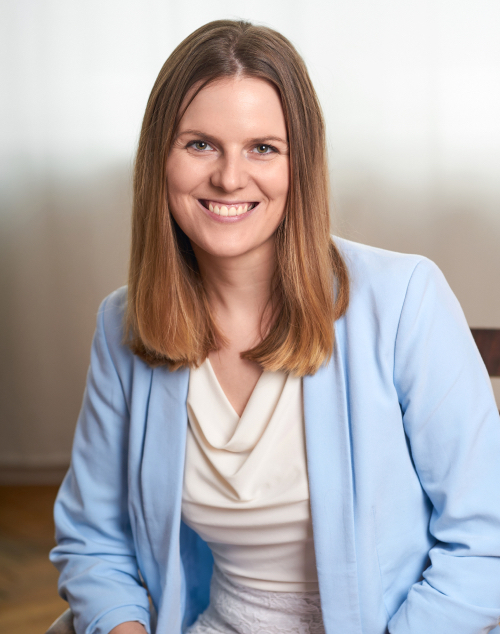
Book an appointment with psychologist Rút Jungwirthová and offer your child sensitive, professional support in a safe environment.
I have been working in the field of addiction counselling for more than 10 years. I hold a bachelor’s degree in Addictology from the First Faculty of Medicine and a degree in General Medicine from the Second Faculty of Medicine, Charles University. In my research, I focus on preventive medicine and epidemiology.
In my work with clients, I combine evidence-based knowledge with a holistic approach to mental health. My medical background enables me to understand the broader clinical context and to better support each client’s individual needs.