
Articles

22.5.2026

What to Expect from Psychotherapy for Children and When to Seek Help

Sometimes parents sense that something is going on with their child, but they are unsure whether it is the right time to seek professional help. A child may seem sadder, more anxious, more irritable, or begin behaving differently at home or at school. In such moments, psychotherapy can offer a safe space where the child can gradually better understand their experiences and find support and a path toward greater stability.

At EUNOMA Clinic, we approach child psychotherapy as a sensitive process that is always adapted to the child’s age, individual needs, and family situation. An essential part of this process is collaboration with parents, as they are the child’s closest source of support.

When It May Be Time to Seek Help

Children often cannot describe their difficulties directly. Instead of words, their distress may show up through changes in behavior. A child may withdraw, become overly sensitive, have emotional outbursts, or develop strong insecurity, fear, or resistance toward school.

It is also important to consider seeking help if the difficulties persist over time, worsen, or begin to interfere with everyday family functioning. Warning signs may include:

  • Persistent sadness or anxiety,
  • Frequent anger outbursts,
  • Sleep difficulties,
  • Stomach aches or headaches without a clear physical cause,
  • Withdrawal from peers,
  • Noticeable drop in self-confidence,
  • Behavioral changes following a challenging life event, such as parental divorce, loss of a loved one, or other stress.

What the First Consultation Looks Like

The first meeting usually takes place with the parents. It is an important step that provides space to calmly describe what has been happening, how long the difficulties have lasted, what changes have occurred, and what concerns the parents have. It is also a safe space for questions and any uncertainties.

Based on this consultation, the next steps are agreed upon. Depending on the child’s age and the nature of the difficulties, this may include individual sessions with the child, a joint family consultation, or gradual involvement of the parents in the therapeutic process. It is crucial that children feel safe, are not pressured into therapy, and have time to gradually get used to the new environment and therapist.

What to Expect from Child Psychotherapy

Child psychotherapy is not about quickly “fixing” the child. It is a process that helps the child understand emotions, relationships, and their inner experiences. Some children need support in managing anxiety, others in working through sadness, anger, or insecurity. For some, the goal is to strengthen their sense of safety, self-confidence, or ability to express what they are going through.

Therapeutic work with children is often conducted in a gentle, playful, and non-intrusive way. It may involve conversation, play, drawing, or other methods that help the child express what they cannot yet put into words. Regular collaboration with parents is also an integral part of the process, helping to connect what happens in therapy with the child’s experience at home.

Why Parental Involvement Matters

Parents play a key role in a child’s life. Even though therapy itself takes place in a safe space between the child and the therapist, meaningful change is most effectively supported at home. It is therefore important that parents understand what their child is experiencing and know how to provide sensitive support.

Sometimes small changes in communication, clearer boundaries, or a deeper understanding of the child’s emotions are enough. In other cases, the whole family may need support in navigating tension, conflict, or a challenging life period. In all cases, collaboration between parents and the therapist significantly increases the likelihood that the child will feel better.

When Not to Wait

If a child is struggling over a longer period, withdrawing, reacting with intense fear, or showing significant behavioral changes, it is better to seek help sooner rather than later. Early support can bring relief to the child and help the family find a calmer path through a difficult time.

Would You Like to Talk About Your Child’s Situation?

If you feel that your child may need support, you can schedule an initial consultation na úvodní konzultaci v EUNOMA Clinic (Psychologické poradenství pro děti/dospívající, osobně na adrese Lípová 15). První setkání probíhá s rodiči, kteří v klidu popíší, co se děje, a společně pak domluvíme další vhodný postup.

Book an appointment with psychologist Rút Jungwirthová and offer your child sensitive, professional support in a safe environment.

Read
17.5.2026

Když tělo změní pravidla přes noc: Jak zvládnout změny nálad a otoky při uměle navozené menopauze

„Přibrala jsem, i když jím pořád stejně.“ „Mám pocit, že jsem neustále oteklá a unavená.“ „Kalhoty mi nesedí, přestože váha ukazuje skoro stejné číslo.“ Pokud máte za sebou onkologickou léčbu, chirurgické odstranění vaječníků nebo hormonální terapii a prožíváte tyto stavy, máme pro vás hned na úvod důležitou zprávu: Není to vaše selhání, nedostatek disciplíny ani slabá vůle.

Vaše tělo prošlo obrovskou změnou, kterou moderní medicína nazývá uměle navozená menopauza.

Co se děje s hormony při menopauze

Šok, na který tělo nemělo čas

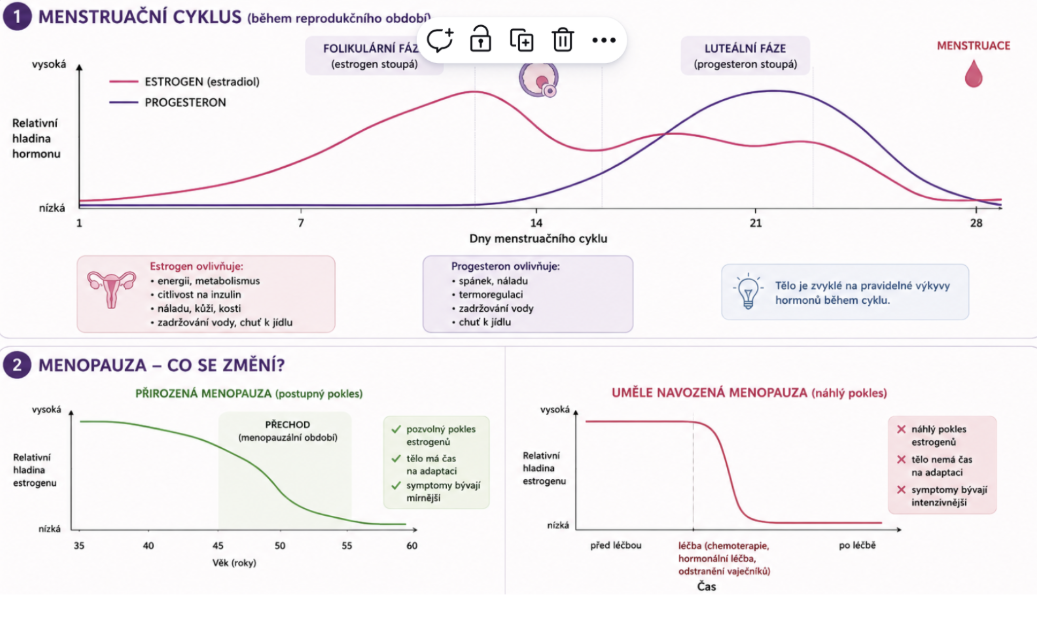
Zatímco při přirozené menopauze klesá hladina ženských hormonů postupně několik let, u uměle navozené menopauzy (vlivem chemoterapie, radioterapie nebo léků) dochází k pádu estrogenů ze dne na den. Tělo doslova ztratí čas na adaptaci, a proto jsou doprovodné symptomy mnohem intenzivnější.

Estrogen totiž není jen „pohlavní hormon“. Ovlivňuje náš metabolismus, citlivost na inzulín, distribuci tuku, unavenost i to, jak efektivně dokáže tělo hospodařit s vodou a solí.

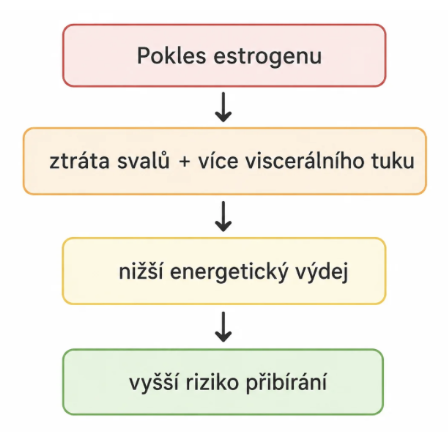
Když jeho hladina prudce klesne, stane se několik věcí najednou:

  1. Zpomalí se bazální metabolismus a dochází k přirozené ztrátě svalové hmoty, kterou začne nahrazovat viscerální (vnitřní) tuk.
  1. Tělo začne zadržovat vodu. Ztrácí totiž schopnost efektivně vylučovat přebytečnou sůl.
Vliv poklesu estrogenu

Sodík a draslík: Magnet vs. vyhazovač vody

Častým mýtem je, že za oteklé nohy, prsty a břicho může prostě „moc vody“ a řešením jsou drastické odvodňovací čaje nebo hladovění. Opak je ale pravdou. Tělo vodu zadržuje proto, že v něm chybí rovnováha mezi sodíkem a draslíkem.

  • Sodík funguje jako magnet na vodu. Po menopauze se snadněji hromadí v tkáních a táhne vodu s sebou.
  • Draslík je „vyhazovač“ přebytečné vody . Jde do ledvin a dává jim pokyn: „Je tu moc sodíku, vyhoďte ho ven!“

Rozsáhlá vědecká analýza NHANES ukázala, že pro minimalizaci metabolických rizik a otoků není nejdůležitější samotné množství soli, ale právě ideální poměr sodíku a draslíku ve stravě (za ideální poměr Na:K byl zjištěn poměr 1,203). Většina z nás to má ale přesně naopak – jíme moc sodíku a málo draslíku, což u žen po menopauze vede k chronickým otokům.

Průměrný Čech denně zkonzumuje přibližně 13 až 16,5 gramů soli, což odpovídá příjmu 5,2 – 6,6 g sodíku. Ke snížení denního příjmu snad stačí malé změny:

  • sušená šunka (5,5 g soli/100g) ->dětská šunka (1,7 g soli/100g)
  • rohlík se sypanou solí (1,8g/kus) ->rohlík bez posypu (0,7g/kus)
  • balkánský sýr, niva (4-7g/100g) ->mozzarella, žervé, ricotta (0,5g/100g)
  • sójová omáčka (16 g/100 ml) ->sójová omáčka se sníženým obsahem soli (8 g/100 ml)
  • kořenící směsi se solí (58g/100g) ->jednodruhové bylinky (0g)
  • sterilovaná zelenina (1-2g/100g)  ->čerstvá zelenina

Jak z toho ven? Zapomeňte na diety, změňte detaily

Cesta k lehčímu tělu a splasknutí otoků nevede přes extrémní restrikce. Pomohou malé, ale strategické změny v kuchyni.

  1. Snížit sodík (cíl: do 2300 mg denně)

Průměrný Čech zkonzumuje až trojnásobek doporučeného množství soli. Pozor na tavené a plísňové sýry, uzeniny, instantní jídla a kupované pečivo se sypanou solí. Vyměňte sušenou šunku za kvalitní dětskou, balkánský sýr za mozzarellu nebo ricottu a klasickou sójovku za variantu se sníženým obsahem soli.

  1. Zvýšit draslík (cíl: 3500–4700 mg denně)

Skvělým zdrojem je avokádo, banány, luštěniny, špenát a sušené meruňky. Pozor na brambory – vařením bez slupky ztratíte až 50 % draslíku do vody. Raději je pečte nebo vařte ve slupce.

  1. Hlídat si glykemický index (GI)

Když vám po sladkém nebo bílém pečivu prudce vyletí krevní cukr, tělo vyplaví inzulín. A vysoký inzulín je pro ledviny přímým povelem: „Zadržuj sodík a nepouštěj vodu!“ Volte raději celozrnné potraviny, ovesné vločky a ke každému jídlu přidejte bílkovinu nebo zdravý tuk, které glykemický index jídla sníží.

Vaše tělo po léčbě nepotřebuje potrestat hladovkou ani žádnou vysoce restriktivní dietou. Potřebuje výživu, podporu a dostatečný pitného režimu. Dejte mu čas a začněte malými krůčky.

Pokud chcete pomoct, jak nastavit stravování zdravě, srozumitelně a podle vašich potřeb, objednejte se k nám na konzultaci a získejte odbornou podporu v oblasti výživy.

Read
16.5.2026

Healthy Use of Digital Technologies in Children: Practical Tips for Parents

Digital technologies, such as mobile phones and tablets, are now a common part of children’s everyday lives. They offer many benefits, but also carry certain risks. The key question is therefore not whether children should use technology, but how to use it in a healthy and safe way. So how can we support healthy technology use in children while also protecting their mental well-being?

How to integrate technology into a child’s life in a healthy way

Parents play a crucial role in shaping their children’s digital habits. It is important to find ways to incorporate technology meaningfully into a child’s life. Rather than relying on strict bans, it is more effective to guide children toward purposeful use. Well-chosen apps, educational games, and online courses can support cognitive development, curiosity, and learning. Technology should not be just passive entertainment, but a tool for growth.

What to watch out for: Risks of digital technologies

Parents should pay attention to possible signs of digital addiction or negative effects of technology use. Warning signs may include:

  • mood changes and signs of depression
  • escape from reality and social isolation
  • increased aggression
  • experience with cyberbullying

Early recognition of these signs can help prevent more serious mental health issues.

Screen-free time strengthens relationships

Healthy technology use is based on clear rules and open communication. Establishing regular screen-free time is one of the most effective steps. This can include shared meals, weekend activities, or a calm evening routine before bedtime. These moments support communication, relationships, and the ability to be fully present and disconnect from the online world.

Open communication about technology

Dialogue is an essential part of prevention. Talk to children about how their peers use technology and what they themselves experience online. Discuss both the benefits and risks of the digital world openly, without fear-based messaging, but with an emphasis on understanding and critical thinking. Trust and a safe environment where children feel comfortable sharing their experiences are key.

Parents as role models in technology use

Parents should remember that they are role models, and children learn through imitation. The way parents use their phones or tablets is naturally mirrored by their children. If parents spend a lot of time on screens, children are likely to adopt the same behavior. Conscious and moderate use of technology by parents is essential for building healthy habits.

Alternatives to screens: Supporting healthy child development

It is equally important to offer children a variety of offline activities as a preventive measure against digital addiction. Helpful options include:

  • hobbies and sports
  • creative activities
  • time spent outdoors
  • simple household responsibilities

These activities support independence, responsibility, and naturally reduce time spent on screens. If problematic use has already developed, it may be challenging to reduce screen time, but every small step contributes to building healthier habits over time.

How to set healthy boundaries for technology use

A healthy relationship with digital technology is not created through prohibition, but through balance. Prevention from an early age, clearly defined rules, open communication, and active parental involvement help children learn to use technology safely and meaningfully.

EUNOMA Clinic supports parents and children

If you are concerned about the impact of technology on your child’s mental health or notice signs of digital addiction, specialists at EUNOMA Clinic are here to help. We offer psychological and addiction counseling for children and parents, as well as support in addressing challenges related to the digital world. If you are unsure where to turn, feel free to contact us - we will be happy to guide you.

Read
14.5.2026

ADHD in Adults: How to Recognize It and Why It Affects More Than Just Attention

Attention-Deficit/Hyperactivity Disorder (ADHD) is not just a “childhood diagnosis” or simple distractibility. For many people, it persists into adulthood and can subtly affect work performance, relationships, health, and overall quality of life. It often remains undiagnosed, leading to frustration, exhaustion, or a persistent sense of underachievement instead of understanding.

What symptoms may indicate ADHD, and how is it connected to broader lifestyle factors?

How to Recognize ADHD in Adulthood

ADHD does not only manifest as hyperactivity. In adults, other symptoms often predominate and can be easily overlooked:

  • difficulty concentrating and sustaining attention
  • frequent forgetfulness and misplacing things
  • procrastination and difficulty completing tasks
  • impulsive decision-making
  • inner restlessness or a sense of mental overload
  • fluctuating motivation and energy levels

Many people interpret these patterns as “lack of willpower” or “laziness.” In reality, ADHD is a neurodevelopmental difference that affects how the brain functions, particularly in areas related to attention regulation, emotions, and reward processing.

ADHD and Lifestyle: Overlooked Connections

The first step toward balance between body, mind, and lifestyle is understanding the connections - how ADHD influences different areas of life and how those areas, in turn, affect ADHD. ADHD rarely exists in isolation; it both shapes and is shaped by daily habits and environment.

Sleep

People with ADHD often struggle with irregular sleep patterns, difficulty falling asleep, or a delayed circadian rhythm. Sleep deprivation then worsens attention, impulsivity, and emotional stability.

Diet and Nutrition

Irregular eating patterns, cravings for sugar or “quick energy,” and skipping meals are common. Fluctuations in blood sugar levels can intensify mood swings and impair concentration.

Exercise

Regular movement can significantly help regulate attention and reduce internal tension. However, maintaining consistency is often more challenging than the activity itself.

Digital Environment

Excessive use of smartphones, social media, or constant multitasking increases cognitive load and can deepen ADHD symptoms, creating a cycle of distraction.

ADHD and Risky Use or Addiction

One of the less discussed but critical aspects of ADHD is the increased risk of addictive behaviors.

People with ADHD tend to seek fast sources of dopamine - short-term “rewards” that provide relief or stimulation. This may lead to:

  • excessive use of alcohol or other substances, often stimulants (e.g., cocaine, methamphetamine)
  • addictive eating patterns (such as binge eating)
  • problematic use of digital technologies
  • impulsive spending or risk-taking behavior

Without understanding these connections, ADHD can remain an underlying factor that sustains addictive patterns and related difficulties.

Impact on Mental Health and Relationships

ADHD affects not only performance but also emotional experience.

Common challenges include:

  • anxiety and chronic stress
  • low self-esteem rooted in repeated setbacks
  • emotional instability or hypersensitivity
  • relationship difficulties (forgetfulness, impulsive reactions, unfinished commitments)

Without proper support, ADHD can lead to a persistent feeling that “something is wrong,” without understanding the true cause.

Why a Comprehensive Approach Matters

ADHD is not just about diagnosis. It is about understanding the interplay between the brain, behavior, and lifestyle.

An effective approach often includes a combination of:

  • psychological support
  • adjustments to daily routines
  • stress and emotion regulation
  • nutritional guidance
  • and, when appropriate, medical treatment

Rather than trying to change everything at once, small, sustainable steps, such as a short daily walk or brief relaxation practice, can often be more effective. Each individual has a unique profile, and an individualized approach is key.

If you recognize yourself in some of these descriptions, it may be helpful to view your situation in a broader context.

At EUNOMA Clinic, we offer comprehensive consultations focused on the connection between mental health, lifestyle, and potential addictive patterns. Together, we seek clear explanations and practical solutions that make sense in everyday life.

Book an appointment for an initial consultation and gain a clearer understanding of what is really happening in your functioning - and how you can influence it.

Read
13.5.2026

Michaela Pacáková v pořadu iMedical: Jak mobilní telefony ovlivňují dětský mozek?

Průměrný uživatel zkontroluje chytrý telefon až 96krát denně, tedy každých 15–20 minut, což vytváří kompulzivní chování podobné hazardu. Psycholožka a psychoterapeutka PhDr. Michaela Pacáková toto téma přiblížila v pořadu iMedical pro FocusOn, kde upozornila, jak moderní technologie zneužívají evoluční mechanismy mozku prostřednictvím dopaminu.

V rozhovoru vysvětluje, jak časté používání digitálních technologií ovlivňuje pozornost, emoce i schopnost regulace chování u dětí a dospívajících. Téma nadměrného užívání mobilních telefonů je v současnosti jedním z klíčových faktorů, které ovlivňují dětské duševní zdraví.

Mimo jiné v rozhovoru popisuje fenomén „smombie“ (smartphone zombie) – lidé pohlcení telefonem, kteří přestávají vnímat okolí, což je riziko i v dopravě. Problém se netýká jen mladých, ale i starších osob; u dětí je však dopad výraznější bez dohledu rodičů.

Aplikace maximalizují čas na obrazovce díky FOMO (fear of missing out, strach z vynechání) a dopaminové odměně, což může následně vést k nelátkové závislosti. Jedním z příznaků je kontrolování telefonu automaticky, i když to přináší negativní důsledky.

V rámci rozhovoru pro zdravější používání moderních technologií Michaela radí:

  • Posilujte sebereflexi, tj. všímejte si návyků a jejich dopadů
  • Nastavte si časové limity (např. 20 minut denně)
  • Vypněte notifikace
  • Nastavte si bezdigitální zóny (jídelna, ložnice)
  • Přepněte na černobílý režim na telefonu pro snížení atraktivity

V rozhovoru se dále dozvíte:

  • jak časté používání mobilu ovlivňuje dětský mozek
  • proč děti sahají po telefonu i desítky krát denně
  • jak poznat rizikové používání digitálních technologií
  • jak nastavit zdravé hranice pro děti

Celý rozhovor si můžete pustit na webu FocusOn.CZ.

V EUNOMA Clinic se zaměřujeme na komplexní péči o duševní zdraví dětí, dospívajících i dospělých. Pomáháme rodinám lépe porozumět vlivu technologií na psychiku a nastavovat zdravé návyky v digitálním prostředí.

Read
11.5.2026

Dietitian vs. Nutrition Coach: What’s the Difference and Who Should You Choose?

Nutrition affects energy levels, digestion, immunity, mental health, and the course of many diseases. When people seek help with their diet, they often come across terms like dietitian, nutrition therapist, nutrition coach, nutrition specialist, or health coach. At first glance, these may sound similar, but in the Czech context, there are important differences.

If you are addressing nutrition in connection with your health, illness, medication, intolerances, or specific dietary needs, it is usually best to consult a dietitian (in Czech context often referred as nutrition therapist). This is a licensed healthcare professional with formal education and clearly defined competencies. A nutrition coach can offer general advice, but they may not always have the qualifications or authorization to work with health-related nutrition issues.

Who Is a Dietitian?

A dietitian (nutrition therapist) is a non-physician healthcare professional whose education and practice are defined by law in the Czech Republic. This means they are not simply someone interested in healthy eating, but a trained expert in nutrition, dietetics, and patient care.

A nutrition therapist works with people who:

  • Want to improve their diet in a sustainable, evidence-based, and health-safe way,
  • Are overweight or underweight,
  • Experience digestive issues,
  • Have diabetes, high cholesterol, or other chronic conditions,
  • Have food intolerances or specific dietary restrictions,
  • Need dietary adjustments during recovery, after illness, or during long-term treatment.

In healthcare, the key advantage of a dietitian (nutrition therapist) is their ability to assess nutrition comprehensively, taking into account medical conditions, diagnoses, and physician recommendations.

Who Is a Nutrition Coach?

A nutrition coach may focus on meal planning, weight loss, or general healthy eating principles. However, in the Czech Republic, this is not a regulated healthcare profession. This means that even individuals without formal medical education - often after completing short courses - can provide these services.

This does not automatically mean a nutrition coach lacks quality. The key differences are:

  • They may not have formal medical education,
  • They cannot replace healthcare services,
  • They should not address nutrition related to medical conditions without proper qualifications.

When choosing a professional, it is essential to verify their education and practical experience.

Other Professionals Involved in Nutrition

Nutrition may also be addressed by other professionals, most commonly:

  • Physicians (e.g., internists, diabetologists, gastroenterologists, pediatricians),
  • Nurses within patient education,
  • Pharmacists, especially regarding medications and supplements.

Each profession plays a different role. Physicians diagnose and treat, nutrition therapists (dietitians) focus on diet as part of care, and nutrition coaches provide general lifestyle guidance. If you have a health condition, the safest starting point is a professional trained in clinical nutrition.

How to Recognize a Qualified Nutrition Therapist (Dietitian)

When selecting a specialist, it helps to check a few key factors. A qualified nutrition therapist typically:

  • Clearly states their formal university education in nutrition therapy,
  • Uses the official professional title “nutrition therapist" or "dietitian",
  • Has clinical experience or experience in healthcare settings,
  • Can explain their approach with respect to your health condition,
  • Does not promise quick fixes but works professionally and individually .

A good sign is also when the specialist asks about your health status, medications, lab results, digestion, lifestyle, and goals. This indicates an individualized approach rather than a one-size-fits-all diet plan.

When “Healthy Eating” Isn’t Enough

General healthy eating advice can be helpful, but it is not always sufficient. Professional support is especially important when:

  • You have a diagnosed medical condition,
  • You experience recurring digestive problems,
  • Weight loss or gain is not working,
  • You struggle with eating in relation to stress, mental health, or medication,
  • You need safe dietary adjustments during pregnancy, breastfeeding, or for children.

In these cases, a dietitian/nutrition therapist provides the greatest benefit by tailoring recommendations not only to your goals but also to your health context.

Our Approach at EUNOMA Clinic

At EUNOMA Clinic, we view nutrition as an integral part of overall health. Nutrition therapist/dietitian Kateřina Kozáková helps clients create a diet that is practical, safe, sustainable, and tailored to individual needs.

We believe that a healthy relationship with food is the foundation of long-term health and well-being. It’s not about strict rules, calorie counting, or guilt - it’s about understanding your body’s needs and respecting its signals..

Working with Kateřina is ideal if you want to:

  • Understand your diet without unnecessary restrictions,
  • Adjust eating habits in relation to health issues,
  • Improve your relationship with food,
  • Find solutions that fit into everyday life,
  • Receive professional guidance without extremes or unsustainable advice.

Kateřina Kozáková supports clients in rediscovering the joy of eating, learning to listen to their bodies, and accepting that nutrition can be a natural, balanced, and stress-free part of life. Together, they find sustainable solutions that integrate easily into daily routines and strengthen both confidence and motivation for self-care.

Would you like to learn how to manage your nutrition in a healthy, clear, and personalized way? Book an appointment with dietitian/nutrition therapist Kateřina Kozáková at EUNOMA Clinic and receive expert support in nutrition.

Read
8.5.2026

Gen Z a závislosti: proč mladí sahají po vapingu, nikotinu i online úniku

Generace Z vyrůstá v prostředí, které je výrazně jiné než dřív. Rychlé tempo, tlak na výkon, nejistota, sociální sítě a snadná dostupnost nikotinu vytvářejí kombinaci, která může zvyšovat riziko návykového chování. V rozhovoru pro Radio Wave o tom mluví psycholožka PhDr. Michaela Pacáková, která působí mimo jiné v EUNOMA Clinic, a upozorňuje, že u mladých lidí se často nemění potřeba úlevy, ale jen forma, jakou ji hledají.

Zatímco klasické cigarety u mladé generace ustupují, vaping zůstává velmi rozšířený. Vedle nikotinu ale roste i význam digitálních závislostí, především nepřetržitého scrollování, neustálé dostupnosti obsahu a tlaku na srovnávání se s ostatními. Podle psychologického pohledu je důležité neřešit pouze samotný návyk, ale i to, co mu předchází: stres, úzkost, osamělost, potřeba zapadnout nebo snaha o rychlou regulaci emocí.

Tento pohled dobře zapadá do konceptu lifestyle medicine v EUNOMA Clinic. Zdraví nevnímáme jen jako nepřítomnost nemoci, ale jako výsledek každodenních návyků, spánku, pohybu, stravy, psychické pohody a kvality prostředí, ve kterém člověk žije. Právě u závislostí je proto klíčové hledat souvislosti a pracovat s nimi včas a citlivě.

Prevence, otevřený rozhovor a včasná odborná podpora mohou sehrát zásadní roli. U dospívajících a mladých dospělých je důležité vytvářet prostředí, kde je možné mluvit o stresu, tlaku i nejistotě bez zlehčování a bez moralizování. Čím dřív se zachytí varovné signály, tím větší je šance předejít rozvoji vážnějších obtíží.

Jak poznat, že je čas problém řešit?

Mezi varovné signály může patřit užívání nikotinu jako hlavního způsobu zvládání stresu, zhoršení spánku, nálady nebo prospěchu ve škole. U digitálních závislostí bývá typické bezmyšlenkovité scrollování, neschopnost odložit telefon nebo výrazné rozladění při omezení přístupu. Pokud se tyto vzorce opakují a začínají zasahovat do běžného fungování, je vhodné situaci nepodceňovat.

Co pomáhá

Účinná pomoc obvykle nezačíná zákazem, ale porozuměním. Důležité je zjistit, co daný návyk člověku přináší, v jakých situacích se objevuje a jaké jiné způsoby regulace by mohly být udržitelné. V praxi to může znamenat práci s psychologem či adiktologem, úpravu denního režimu, podporu spánku, pohybu i zvládání stresu a v některých případech také spolupráci s dalšími odborníky.

V EUNOMA Clinic nabízíme odbornou psychologickou a adiktologickou podporu pro děti, dospívající i jejich rodiče.
Objednejte se na konzultaci a zjistěte, jak můžeme pomoci vám nebo vašemu dítěti.

Read
8.5.2026

Lifestyle medicine: how sleep, stress, exercise and nutrition are related

Lifestyle medicine, is an approach that uses everyday habits as a key tool for both prevention and support in treatment. At EUNOMA Clinic, we see it as a practical framework that connects mental health, physical health, recovery, and the long-term sustainability of change. Lifestyle medicine is widely described as an evidence-based approach built around interconnected pillars such as nutrition, physical activity, restorative sleep, stress management, social connection, and avoiding risky substances.

It is not a set of general recommendations, but a way of understanding what keeps a person’s difficulties going. Very often, there is not just one problem, but a network of interconnected factors - for example, stress worsens sleep, poor sleep affects eating, irregular eating lowers energy, and fatigue then makes movement and psychological stability harder to maintain.

Nutrition

Nutrition is one of the most visible pillars of health, but in practice it is closely linked with emotions, sleep, and daily routines. We do not only look at what a person eats, but also when they eat, what state they are in when they eat, and what relationship they have with food.

Irregular eating is often connected with exhaustion, work pressure, or skipping meals during the day. This can lead to evening overeating, sugar cravings, fluctuating energy, and a lower mood. By contrast, a more stable eating routine can support concentration, emotional stability, and better sleep.

Within a comprehensive approach, we look at whether the diet is genuinely nourishing, regular, and realistically aligned with the client’s daily routine. The goal is not perfection, but a change that can be sustained over the long term.

Exercise

Exercise is not just about fitness or weight reduction. It has a direct effect on mental wellbeing, sleep, resilience to stress, and metabolic health. Regular physical activity helps reduce psychological tension, improves daytime energy, and supports better recovery.

For many clients, movement is closely linked with fatigue and mental overload. When someone has been sleeping poorly for a long time, is under stress, or is experiencing depression or anxiety, they usually move less. That in turn further worsens fatigue, mood, and overall vitality. A vicious circle develops, and it needs to be interrupted with a realistic and gradual plan.

It is important to find a form of movement that will not become another burden, but instead a source of energy. For one person, that may be brisk walking; for another, strength training, yoga, or a combination of several types of activity.

Sleep

Sleep is one of the most important pillars of health because it affects mental wellbeing, immunity, metabolism, and the ability to manage stress. A lack of sleep often shows up before a person recognizes it as the main problem - for example, through increased irritability, food cravings, poor concentration, or lower tolerance for strain.

Sleep is strongly connected with nutrition and emotional wellbeing. If a person goes to bed irregularly, works late into the night, or is overwhelmed before falling asleep, the quality of their diet and their ability to recover often deteriorate. When sleep improves, it is usually easier to manage emotions, plan meals, and maintain physical activity.

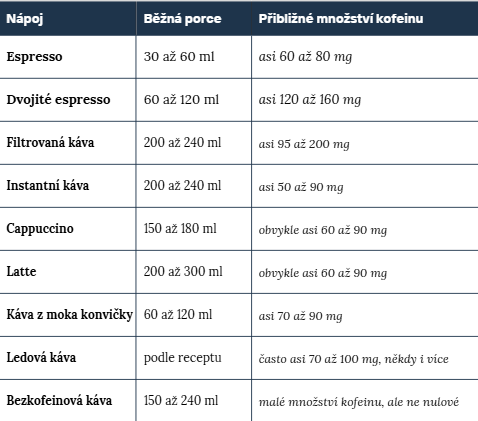
In practice, we therefore do not look only at sleep duration, but also at falling asleep, waking during the night, evening habits, the influence of caffeine, stress, and the daily routine.

Stress and recovery

Stress is not always negative, but long-term overload without enough recovery can seriously disrupt health. The effects of stress often show up in sleep, digestion, eating, energy, and a person’s relationship with their own body.

For some clients, stress leads to overeating; for others, to loss of appetite, insomnia, muscle tension, fatigue, or difficulty concentrating. It also often causes people to stop noticing bodily signals and to respond only once they are already exhausted.

Working with stress within lifestyle medicine does not mean “not being stressed.” It means learning how to handle stress so that it does not overwhelm the whole system. This includes psychohygiene, changes in daily routines, work on boundaries, pace regulation, as well as psychological support or therapeutic intervention.

Relationships and social network

The quality of relationships has a major influence on both mental and physical health. Safe, supportive relationships improve the ability to cope with stress, strengthen motivation for change, and help maintain new habits even during more demanding periods.

By contrast, long-term loneliness, a conflict-ridden environment, or exhausting relationship dynamics can contribute to anxiety, insomnia, emotional eating, or resignation in self-care. In some cases, the problem is precisely that the client has no space to recover because they are constantly in the role of the one who has to manage everything alone.

In clinical practice, we therefore do not look only at the individual in isolation, but also at what kind of support system they have, what resources surround them, and what communication patterns shape their life.

Addictive substances

Alcohol, nicotine, and other addictive substances often function as a short-term regulator of stress, fatigue, or tension. In the long term, however, they usually worsen sleep, psychological stability, energy, and the ability to change habits.

Many clients do not come primarily because of addiction, but because of fatigue, poor sleep, anxiety, or declining fitness. Yet addictive substances may be a hidden factor that keeps these problems going. That is why it is important to look at them sensitively, without moral judgment, but at the same time very concretely.

As part of a comprehensive approach, we map out what role addictive substances play in a person’s life, what they are replacing, and whether they may be preventing other changes from working.

How these factors connect

The individual pillars of health influence one another in both directions. Poor sleep can worsen nutrition, lack of movement can increase stress, stress can worsen the relationship with food, and relationship tension can disrupt recovery. That is why it is often more effective to look for connections than to treat an isolated symptom.

A typical example: a client is chronically tired, eats irregularly in the evening, moves too little, and sleeps poorly. After a closer assessment, it turns out that the underlying causes are work overload, a lack of daily structure, and a growing evening need to “switch off” through food or alcohol. A situation like this requires more than one recommendation - it requires a comprehensive plan.

Comprehensive consultation at EUNOMA Clinic

That is why we offer a comprehensive lifestyle and mental health consultation, which helps map out the individual factors of lifestyle and connect them into a meaningful plan for next steps. It is suitable for clients who are unsure where to begin with their mental health care, or for those trying to identify which specialist they should book with.

The consultation may include a recommendation about whether it would be appropriate to involve a psychologist, addiction specialist, nutrition therapist, psychotherapist, or other follow-up care, depending on the specific situation. The goal is for the client not to leave with a general recommendation, but with a clear direction: what to address first and how the individual steps relate to one another.

Do you feel unsure where to start with caring for your mental health, or are you unsure which professional to turn to with your difficulties? Book a comprehensive consultation at EUNOMA Clinic, where together we will map the factors in your lifestyle, assess how they are connected, and propose an individual plan including recommendations for next steps and the involvement of suitable specialists.

Read
2.5.2026

Nasal Spray Dependence: Why It Happens and How to Overcome It Long Term

Nasal drops and sprays can provide very fast relief from a blocked nose, but with prolonged use they can begin to maintain or even worsen the problem. That is why “nasal spray dependence” is discussed more and more often: it is usually not a classic substance addiction, but rather a vicious cycle in which the nose becomes blocked again without the spray, prompting repeated use.

The good news is that this condition is usually treatable. However, simply stopping the spray “by willpower” is often not enough; it is also important to understand the underlying cause of the nasal congestion and support the mucosa and overall health with targeted lifestyle measures. This is where lifestyle medicine has its place, including work with sleep, stress, hydration, the environment, and other lifestyle factors that may worsen or improve symptoms.

What nasal spray dependence is

So-called nasal spray dependence most often develops through overuse of nasal decongestants, meaning products that quickly constrict blood vessels in the nasal lining and temporarily relieve breathing. If they are used longer than recommended, rebound congestion can develop, in which the mucosa swells again after the effect wears off and the nose becomes blocked, often even more than before.

People may then feel that they can no longer function normally, fall asleep, or get proper rest without the spray. In reality, the original cold or congestion is often no longer the main issue; the decongestant itself has become part of the problem.

Which sprays can cause the problem

The risk of rebound congestion and overuse primarily concerns nasal decongestants containing active ingredients such as xylometazoline, oxymetazoline, naphazoline, or tramazoline. These ingredients are found in many over-the-counter products intended for short-term relief of a blocked nose or acute nasal congestion.

Well-known brand names include Olynth (xylometazoline), Nasivin (oxymetazoline), and Sinex Vicks (oxymetazoline), along with other products on the market that use the same mechanism of action. For these medicines, it is important to pay attention not only to the brand name, but above all to the active ingredient and the recommended duration of use.

This group also includes other decongestant drops and sprays sold under various names in pharmacies and drugstores. A simple rule is useful for readers: if the goal of the product is to quickly “shrink” the lining and immediately open the nose, it should be used with caution and only short term.

Which nasal products typically do not cause this problem

The rebound effect does not apply to all nasal products. It typically does not apply to saline solutions, sea water sprays, isotonic and hypertonic nasal sprays, moisturizing products, and, when appropriately indicated, nasal corticosteroids, which are used for conditions such as allergic rhinitis or chronic inflammation of the nasal mucosa.

This means that products designed to moisturize, rinse, or provide longer-term anti-inflammatory treatment do not work in the same way as decongestants and are generally not associated with rebound congestion. Regular sea water or saline solutions may be suitable for longer-term supportive use, especially in dry indoor air, during allergy season, or while stopping decongestants.

Why nasal sprays help at first

Nasal decongestants work by constricting the blood vessels in the nasal lining, which quickly reduces swelling. This allows the nose to open up temporarily and makes breathing easier, which is especially appealing in the evening, during a cold, or when someone needs to fall asleep quickly.

That fast relief is exactly why short-term use can turn into habitual use. Once the effect wears off, the nose becomes blocked again and the person tends to reach for another dose.

How the vicious cycle develops

With repeated use, decongestants irritate and overstrain the nasal mucosa. After the effect fades, the blood vessels dilate again, the mucosa swells, and congestion returns, sometimes even more strongly than before the spray was used.

What began as occasional use can gradually become routine: spray in the morning, again during the day “just in case,” and again at night before sleep. This pattern is typical of rhinitis medicamentosa, the condition caused by overuse of nasal decongestants.

How to know it is more than an ordinary cold

Warning signs include the nose being almost constantly blocked without the spray, while relief after use lasts only briefly. People often start shortening the interval between doses and using the spray for longer than a few days, sometimes for weeks or months.

Other symptoms may include burning, dryness, irritation of the mucosa, a feeling of pressure in the nose, and poor sleep. If symptoms return immediately after stopping and make a person start using the spray again, this mechanism should be suspected.

Who is most at risk

The risk is higher in people who already tend to have a blocked nose for another reason, such as allergic rhinitis, chronic rhinitis, or another ongoing nasal condition. Research on self-medication in persistent rhinitis notes that overuse of decongestants is common among patients with long-term rhinitis who treat symptoms without adequately addressing the cause.

People who use sprays mainly because of sleep problems, nighttime congestion, or high emotional stress may also be more vulnerable. In practice, several factors often overlap: allergy, dry air, stress, fatigue, and the desire for quick relief.

Why stopping the spray is not enough

Stopping the spray is an important step, but it does not always solve the entire problem. If congestion is driven by allergy, chronic inflammation, anatomical obstruction, or a persistently unfavorable environment, it is easy to return to the spray again.

Successful change usually requires two things at the same time: breaking the decongestant cycle and addressing the reason why the nose remains irritated or swollen. This is where a multidisciplinary approach makes sense, combining symptom relief, treatment of the underlying cause, and lifestyle adjustment.

What can help during withdrawal

Supportive measures are commonly recommended to ease the mucosa and improve comfort. These include rinsing the nose with saline or sea water, humidifying the air, maintaining good hydration, and reducing irritants such as smoke or dusty environments.

If allergic rhinitis or another chronic problem is present, that underlying cause should also be addressed rather than simply replacing one spray with another. For some patients, medically guided treatment, including nasal corticosteroids or ENT evaluation, may be appropriate, especially when symptoms persist or recur repeatedly.

Why lifestyle medicine matters

Chronic nasal congestion and spray overuse do not occur in isolation. They are often linked to sleep quality, stress levels, hydration, physical activity, and the environment in which a person lives and works.

Lifestyle medicine helps view the problem in a broader context. The goal is not to replace medical treatment with “healthy habits,” but to complement it with factors that can significantly influence mucosal inflammation, symptom perception, and the ability to get through the withdrawal period without returning to sprays.

Sleep

Poor sleep increases sensitivity to physical discomfort and reduces stress tolerance. If someone sleeps badly because of nasal blockage, they often start using decongestants mainly in the evening, which further reinforces the dependence pattern.

Stress

Stress does not directly cause rebound congestion, but it can worsen the subjective experience of discomfort and encourage quick-fix solutions. Sprays can then easily become an automatic response to discomfort, fatigue, or evening tension.

Hydration and environment

The nasal mucosa is sensitive to dry air, dust, and other irritants. Adequate hydration, humidified indoor air, and regular mucosal care are not a miracle cure, but over time they can greatly improve comfort and reduce the urge to reach for decongestants.

Movement and daily routine

Regular physical activity supports sleep, stress management, and overall resilience, all of which matter when dealing with chronic symptoms. While exercise does not replace treatment, it can be an important part of a more stable daily routine that relies less on immediate symptom relief from sprays.

When to seek professional help

Medical assessment is recommended if the spray has been used longer than the package instructions advise, if breathing through the nose is almost impossible without it, or if symptoms keep returning. Evaluation is also important in cases of one-sided blockage, bleeding, pain, frequent sinus infections, or suspicion of allergy or anatomical obstruction.

A clinician can help not only with a withdrawal plan, but also with identifying the real cause of the symptoms. That is often the key step in preventing the problem from coming back.

If it is difficult to stop using nasal sprays, it makes sense to look at the problem in a broader context. At EUNOMA Clinic, a consultation can help map the factors that may have contributed to the development and maintenance of the habit, such as allergies, sleep quality, stress, dry air, prolonged overload, or other lifestyle-related influences.

The goal of the consultation is not simply to say “stop using the spray,” but to understand why a short-term relief measure became a repeated habit and to create a realistic plan for change. If you want to address your symptoms more comprehensively, booking a comprehensive initial consultation at EUNOMA Clinic can be the first step toward identifying the contributing factors and planning an individualized plan of the best approach - next steps and follow-up consultations within the multidisciplinary team of specialists.

Key takeaways

Nasal spray dependence mainly concerns decongestants containing active ingredients such as xylometazoline, oxymetazoline, naphazoline, or tramazoline, which are sold under different brand names including Olynth, Nasivin, and Sinex Vicks. By contrast, sea water, saline solutions, moisturizing sprays, and, when properly indicated, nasal corticosteroids are not associated with rebound congestion in the same way and may be part of safer long-term care.

The most important step is not only to stop the spray, but also to understand why the nose remains blocked. The combination of medical care and lifestyle medicine offers a better chance of long-term relief and a lower risk of returning to sprays.

Read
30.4.2026

Weight Loss After 40? It’s Possible—Without Extreme Diets or the Yo-Yo Effect!

Most of us change with age. And what used to work suddenly only brings fatigue and mood swings. We try just as hard as before, yet the weight simply won’t go down. So what are we doing wrong?

Unfortunately, even today, the internet is full of detoxes, weight-loss cures, and keto diets. But if you’re looking for a way out of the endless cycle of dieting, you likely won’t find the answer with your favorite influencer. That’s where we come in—nutrition therapists who guide you step by step toward proper eating habits without unnecessary restrictions or bans.

Why does the body “resist” after 40?

It’s not your fault that the number on the scale starts creeping up. As we age, we naturally lose muscle mass and go through significant hormonal changes. If we respond with strict dieting, the metabolism simply switches into energy-saving mode. The result? The yo-yo effect and a never-ending dieting cycle.

What are the 3 key pillars of weight loss?

    • Individuality – Every person is different, with unique body composition, health conditions, stress levels, preferences, and financial possibilities. A nutrition therapist takes all of this into account.
    • Satiety and nutrients, not hunger – Weight loss without dieting means choosing foods with high nutritional density that provide all essential nutrients. When your body gets what it needs, evening cravings start to disappear.
    • Mental well-being – Food is not your enemy. It accompanies you throughout your life, so it’s essential to build a healthy relationship with it—without banning your favorite meals or feeling guilty. The goal is sustainability, not short-term punishment.

2 steps you can take today

1. Protein in every meal

After 40, protein becomes your number one priority. Why? Because we naturally lose muscle mass with age, and muscles burn energy—even when you’re just sitting at your desk.

    • Keeps you full the longest: protein has the highest satiety effect of all nutrients

    • Regulates hunger (ghrelin) and fullness (leptin) hormones, helping prevent afternoon sugar cravings

    • Your body uses up to 30% of protein’s energy just to digest it

Where to get it? You don’t have to rely on chicken breast. Great options include Greek yogurt, skyr, eggs, fish, and plant-based sources like lentils, chickpeas, tempeh, or tofu.

Tip: Aim to include a palm-sized portion of protein in every main meal.

2. Replace “forbidden” with “added”

Most diets fail because they are built around the word “NO.” The human brain reacts to restriction with resistance and stronger cravings for the very foods you’re trying to avoid. Nutrition therapy takes a smarter approach—through volume and glycemic index.

    • The power of fiber: If you eat a dessert on an empty stomach, your blood sugar spikes and then crashes, leading to intense hunger. But if you eat that same dessert after a meal containing vegetables (fiber) and protein, the sugar is absorbed more slowly.
    • Mental relief: Instead of cutting out your favorite pasta, add double the portion of sautéed zucchini and a serving of tuna. Your plate will look large, keep you full for hours, and still remain calorie-friendly.
Goal: Learn to “build” meals with quality ingredients. The aim is not to eat less, but to eat more volume with better nutrition.

How do you recognize a true nutrition expert?

In a sea of nutrition advisors - many with only a weekend course - it’s easy to get lost. A nutrition therapist is a licensed healthcare professional with a university degree who helps you understand your body and set up a long-term, sustainable approach.

Remember, the journey to a healthier body is not about punishment or restriction. It’s about self-acceptance and understanding that your body deserves the best care—not starvation. It may not happen overnight, but a year from now, you’ll be grateful you didn’t take another shortcut that leads nowhere. Change your approach, and the results will follow.

Want to finally break free from the cycle of dieting and start losing weight in a way that truly works? Book a consultation with a nutritional therapist (dietitian) Kateřina Kozáková at EUNOMA Clinic. Together, you’ll create a personalized nutrition plan tailored to your body, lifestyle, and goals - without extremes or unnecessary restrictions. Schedule your appointment today and take the first step toward lasting change.

Read
29.4.2026

Modern Technology in Everyday Life: When It Helps and When It Starts to Harm

Modern technology is now a natural part of daily life. We use it to work, learn, stay in touch with loved ones, and relax. Technology itself is not the problem - what matters is the role it plays in our lives and what happens when it begins to replace sleep, relationships, focus, or time for ourselves.

At EUNOMA Clinic, we approach technology use without moralizing or unnecessary fear. The digital world is part of the reality we live in. That is precisely why it is important to recognize when technology is truly helpful, and when a seemingly harmless habit starts to become a burden on mental health, family life, or everyday functioning.

When Technology Use Is Still Healthy

A healthy relationship with technology does not mean using it as little as possible. It means keeping a sense of choice, perspective, and the ability to be offline without significant distress. Helpful habits include setting clear boundaries, balancing online and offline activities, and paying attention to how technology affects sleep, attention, and relationships.

If someone uses a phone, computer, or social media as a practical tool, high screen time alone is not necessarily a problem. It becomes more concerning when devices start functioning as an automatic escape from boredom, stress, uncertainty, or uncomfortable emotions.

Netolism: When the Online World Is No Longer Just a Tool

The term netolism refers to a non-substance addiction to the internet and its services. It can include the need to stay online constantly, repeatedly check a phone, spend long periods on social media, online games, video platforms, shopping, or other digital activities that gradually become difficult to control. This category also includes addiction on virtual relationships (dating apps) and virtual sexuality (pornography).

The issue is not just how many hours are spent on a phone or computer. What matters most are the consequences: neglecting responsibilities, weaker relationships, poor sleep, losing interest in former hobbies, or feeling that life does not work without the online world. Loss of control and disruption of everyday life are among the clearest signs that this is no longer just a habit.

Online Risks Are Not Only About Time

Technology-related concerns are not limited to digital addiction. The same area also includes other online risks that often appear in school and family prevention work: cyberbullying, cybergrooming, and sexting.

These phenomena share one important feature: they happen in a space that is fast, easily accessible, and often deeply personal. That is why they can be emotionally intense, especially for children and adolescents, and why it is important to talk about them clearly, calmly, and early.

Cyberbullying: Harm That Does Not End When the Bell Rings

Cyberbullying is deliberate harm carried out through digital technologies such as the internet, social media, email, or messaging apps. It may involve humiliation, insults, threats, shaming, or blackmail, and its impact is often amplified by the fact that it can reach a person repeatedly and almost anywhere.

Unlike traditional bullying, it does not stay in one place. It can follow someone home, into the evening, and into spaces that should feel safe. For that reason, online harm should be taken seriously and never dismissed as less real simply because it happens on a screen.

Cybergrooming: Manipulation That Can Look Harmless

Cybergrooming refers to dangerous manipulation in online settings, where an offender gains the trust of a child or adolescent and gradually exploits that trust. The person often uses a fake identity, communicates in a friendly way, and creates a sense of understanding or closeness before pushing for personal information, intimate content, or an in-person meeting.

What makes cybergrooming so serious is its subtle beginning. It does not usually start with a threat. It starts with attention. Not aggression, but warmth. That is why children and teens should know that discomfort, secrecy, or pressure to cross boundaries are always reasons to speak up and not face the situation alone.

Online Stalking: When Someone Keeps Following You in Digital Space

‍Online stalking refers to repeated and unwanted monitoring, contact, or harassment through digital channels. It may include frequent messages, tracking social media activity, threats, blackmail, or attempts to stay constantly present in someone’s life despite clear rejection. Unlike ordinary interest, online stalking is defined by pressure, boundary violations, and the feeling that there is no real escape from the harassment. In practice, it may occur on its own or together with cyberbullying and other forms of online abuse.

Sexting: Intimate Content in a Space Where Control Can Be Lost Easily

Sexting means sending messages, photos, videos, or other sexually explicit content. The risk is not only in sending it, but also in the fact that once content is shared, the sender no longer has full control over what happens to it next.

For both adolescents and adults, it is important to talk about consent, boundaries, safety, and consequences. Content intended for one person can become a tool for pressure, humiliation, or a part of other forms of online abuse, including cyberbullying or cybergrooming.

What Helps in Daily Life

Prevention starts with connection, not prohibition. For children and adolescents, curiosity, open communication, clear rules, and a safe space for sharing are essential. For adults, the key is conscious phone use, balancing online and offline time, and regularly noticing whether they are using technology - or whether technology is using them.

A few simple steps can help:

    • Notice why you reach for your phone - out of need or automatically.

    • If you are a parent, stay interested in who your child talks to online and which platforms they use.

    • Create screen-free times, such as before sleep or during shared family time.

    • Talk about the online world as openly as you talk about school, relationships, or emotions.

When to Seek Professional Support

Professional help is appropriate when technology use starts to significantly affect everyday functioning. This may include sleep problems, loss of control, neglect of school or work, withdrawal from usual interests, tension in the family, or ongoing distress connected to the online environment.

Support is also important when a child or adolescent experiences cyberbullying, uncomfortable manipulation, or pressure to share intimate content. Early action can often prevent deeper effects on mental health, relationships, and the sense of safety.

If you feel that technology use is beginning to affect your mental wellbeing, relationships, or daily functioning, you do not have to deal with it alone. At EUNOMA Clinic, this topic is addressed by addiction specialist Kristýna Březová and child psychologist Rút Jungwirthová, who offer a sensitive and professional space for adolescents, adults, and parents who want to better understand the situation and find a workable way forward. Reach out to us, and together we can look at what is happening in your life - without judgment, with respect, and with attention to real human needs.

Read
14.4.2026

Modern Eating Disorders: How to Recognize Them and When to Seek Help

Eating disorders are not limited to well-known diagnoses such as anorexia or bulimia. In recent years, we have also been seeing more of the newer forms and risk patterns of eating behavior, which may seem less obvious at first glance but are just as serious for both physical and mental health.

In adolescents or young adults, these issues often develop gradually. Parents or close relatives may notice changes in eating habits, body image, exercise, or alcohol use, but long interpret them as a phase, a “healthy lifestyle,” or ordinary teenage insecurity. Early recognition is therefore essential.

What modern eating disorders are

Terms such as drunkorexia, bigorexia, or orthorexia describe specific and often underestimated problems in the relationship with food, the body, and performance. These are not trendy labels or exaggerations, but real difficulties that can significantly affect health, family life, and psychological well-being.

A common thread is excessive control, anxiety related to food or the body, and a gradual narrowing of everyday life. A person may initially appear disciplined, “health-conscious,” or fitness-oriented, while in reality they may be under intense pressure and internal tension.

Drunkorexia

Drunkorexia refers to behavior in which a person skips meals or significantly restricts food intake in order to “save calories” for alcohol. It often appears in adolescents and young adults, especially in environments where drinking is tied to social pressure and, at the same time, to fear of weight gain.

At first glance, it may look like an occasional skipped meal before a party, but the issue is deeper. The combination of starvation and alcohol increases the risk of malnutrition, impaired concentration, injuries, blackouts, and the development of further risky behavior.

For close ones, warning signs may include a teenager or young adult repeatedly skipping dinner, returning from social events without eating, talking about “saving calories for alcohol,” or strongly compensating for social drinking by restricting food.

Bigorexia

Bigorexia is a disorder associated with an obsession with muscularity and the belief that the body is never big, strong, or defined enough. A person may spend many hours in the gym, obsessively control their diet, and still feel that their body does not meet the ideal.

This disorder is not limited to men, although it is often more visible in them. Typical features include constant comparison with others, dissatisfaction with one’s appearance, pressure to perform, and sometimes dangerous experimentation with supplements or other substances.

In practice, bigorexia can lead to exercise no longer being a healthy part of life and instead becoming compulsive behavior. A person may keep training despite exhaustion, injury, or illness because they fear they will “lose shape.”

Orthorexia and other forms

Orthorexia refers to a pathological obsession with “proper,” “clean,” or “perfect” nutrition. A healthy interest in food gradually turns into a strict system of prohibitions, fear of “impure” food, and significant restriction of social life.

A person with orthorexic tendencies may spend hours choosing food, checking ingredients, and planning meals. Outwardly, they may seem highly disciplined, but in reality they are often under strong pressure and inner anxiety.

Alongside orthorexia, we may also see other risky patterns, such as night eating or long-term irregular eating patterns in which little is eaten during the day and most energy intake shifts to the evening or night. These signs may also indicate that the relationship with food is out of balance.

Why these problems are dangerous

Eating disorders are not just a matter of willpower or “bad habits.” They are serious conditions that can affect physical health, mental state, and social functioning. In adolescents, they can also interfere with growth, hormonal development, concentration, and school performance.

Long-term restriction of food, binge eating with compensatory behaviors, excessive exercise, or intense fixation on the body can lead to malnutrition, fatigue, mood swings, sleep problems, anxiety, and worsening family relationships. In some cases, there is also a risk of addictive behavior or substance misuse.

The earlier the problem is identified, the better it can be addressed. Early help often means that it is not necessary to wait for a fully developed disorder, but intervention can begin already at the stage of warning signs.

What parents and loved ones should watch for

Warning signs include sudden changes in eating habits, skipping shared meals, rigid labeling of foods as “good” or “forbidden,” frequent comments about weight or body, and strong dissatisfaction with appearance. It may also be concerning if a child or adolescent begins to experience food or exercise as a source of stress rather than as a normal part of the day.

Another sign is excessive control, the need for everything to be precisely planned, or strong anxiety when the routine is disrupted. In some young people, isolation, irritability, secrecy, or worsening relationships at home may also appear.

It is important not to judge a single isolated behavior, but the overall pattern. One skipped lunch does not prove anything, but a repeated pattern of behavior may be a reason for professional assessment.

How to talk to an adolescent

If you are worried about your child or a close person, it is best to start with a calm and open conversation. It helps to speak about what you notice rather than criticize appearance or weight. Phrases like “I noticed that you often skip meals and seem stressed about it” are much more useful than blame.

It is also not helpful to dismiss the problem or hope that it will simply pass. In eating disorders, a timely and sensitive response from the family is often an important protective factor.

Likewise, trying to solve the situation through pressure, bans, or comments about appearance usually leads to more withdrawal rather than improvement.

How a nutrition therapist can help

A nutrition therapist/dietitian helps assess the eating pattern, distinguish common nutritional mistakes from risky behavior, and suggest a safe and realistic plan. In adolescents, it is especially important to work sensitively, without pressure and with respect for the psychological situation and family context.

The care does not focus only on “what to eat,” but also on how to rebuild a relationship with food that is not based on fear, restriction, or extremes. In case of eating disorders, nutritional care is connected with psychological, psychiatric, and addiction support, as needed, because eating disorders usually affect several areas at once.

Early consultation can also be very helpful when there is not yet a fully developed disorder. In many cases, it is enough to identify a risky trend, adjust the routine, and prevent the problem from worsening further.

When to seek an appointment

Professional assessment is appropriate if you notice repeated food restriction, rapid weight changes, fear of ordinary foods, compulsive exercise, compensatory behaviors after eating, or significant stress related to body and eating.

It also makes sense to book a consultation if the issue begins to affect family relationships, school, sport, or overall mental well-being. With adolescents, it is better to respond earlier rather than later.

Consultation at EUNOMA Clinic

At EUNOMA Clinic, we approach eating disorders in a comprehensive way, taking age, family situation, and mental health into account. During a consultation with our nutrition therapist, we focus on what is safe, sustainable, and truly helpful in restoring a healthier relationship with food.

If you are worried about your child, partner, or another close person, you do not have to wait until the situation gets worse. Timely professional support can be the first step toward improvement.

If you feel that yours or your loved one’s relationship with food, body image, or exercise is starting to worsen, book a consultation with a nutrition therapist Kateřina Kozáková at EUNOMA Clinic.

Read
12.4.2026

EUNOMA Clinic at internal medicine conference in Olomouc: alcohol, nutrition and brief intervention

In March 2026, the EUNOMA Clinic team participated in the Congress of Internal Medicine for Practice in Olomouc, where our professional presentations were presented to doctors from all over the Czech Republic.

The congress was attended by MUDr. Bc. Jana Malinovská, Ph.D., Bc. Kateřina Kozáková and Mgr. Kristýna Březová. Our panel focused on topics that affect many patients in everyday practice: alcohol and smoking, nutrition as a neglected factor in relapse, and brief intervention for risky substance use.

What was discussed

Jana Malinovská presented the current perspective on the health risks of alcohol and nicotine products and emphasized that in addiction treatment, it is important to abandon the notion of a “safe dose” of alcohol. She also introduced the concept of lifestyle medicine, highlighting the connection between addiction treatment and movement, sleep, and nutrition.

Kateřina Kozáková focused on nutrition as an important but often overlooked factor in relapse. She reminded the audience that nutritional status, blood sugar stability, managing cravings, and concerns about weight gain can all play a significant role for people in addiction treatment.

Kristýna Březová presented brief intervention as a practical tool that can help physicians identify risky alcohol and tobacco use early. This type of sensitive, concise, and clear conversation can be highly effective in a clinical setting.

Why it is important

We believe that mental health care should always be understandable, sensitive and evidence-based. It is the connection of medicine, addiction, nutrition and prevention that makes sense to us and helps us bring useful and practical information to patients and colleagues in practice.

Participation in the congress was not only a professional opportunity for us, but also confirmation that there is increasing interest in topics such as alcohol and health, smoking, brief intervention, and nutrition in clinical practice.

If you’re looking for professional and individualized support - whether in the area of mental health, nutrition, or gaining control over substance use - explore the services of EUNOMA Clinic or schedule a consultation in person in Prague 2 or online through our booking form.

Read
9.4.2026

How to talk to your child without arguing: 10 steps

Does your child spend most of their time on the phone, argue or respond irritably - or even with shouting - when asked to put it down, sleep poorly, or postpone schoolwork because of time spent on a phone or tablet?

Excessive use of phones or tablets among children has become a common concern for many parents, especially when irritability and restlessness appear when the device is taken away, or when attention, interest in other activities, and family harmony start to decline. In such situations, timely support, sensitive rule‑setting, and a joint search for balance between the online and offline world can make a real difference.

At EUNOMA Clinic, we often meet parents who are looking for ways to ease the tension around rules for mobile phone or tablet use. Our goal is not to forbid technology, but to help families find a healthier balance, understand what their child is seeking in the online world, and set meaningful boundaries together. A sensitive yet practical approach is often the first step toward positive change.

As a first step towards talking with your child without arguments, these ten tips may help:

1. Make time for the conversation

‍Avoid talking in the middle of an argument or strong emotions; instead, choose a quiet moment that feels safe for both of you.

2. Sit at your child's level

Sit so that your head is at the same level as the child to promote a sense of equality during the conversation. This will prevent the child from feeling that you are "superior" .

3. Ask how your child feels and what they need

Try questions like: “How do you feel when I limit your phone time? What do you miss most about it?” Understand the child’s motivation and emotions connected to their phone or tablet, and the meaning technology holds in their world.

4. Avoid criticism or judgement

Aim to understand your child’s online world and what their phone represents for them. Keep an open mind and refrain from judging or evaluating.

5. Explain your perspective and feelings

Share your concerns or fears openly, using concrete examples from daily life.

6. Be honest, according to your child's age

Speak truthfully about risks and describe what changes you’ve noticed, in a way that’s age‑appropriate and not frightening.

7. Look for compromise

Avoid imposing strict bans; instead, work toward a joint agreement through open discussion. Restrictions alone are rarely effective.

8. Tailor the rules

Set phone or tablet rules individually for each child, and don’t hesitate to adjust them as your child grows.

9. Repeat the agreement

Summarize out loud what you both agreed on and let your child confirm it verbally.

10. Pause the conversation if needed

If you feel the discussion is spiraling or getting out of control, postpone it. It’s better to take a break than to let emotions escalate.

A common mistake is reacting emotionally by imposing strict bans—or constantly being on the phone yourself. Children often see this as unfair. If conflicts persist and the rules don’t seem to work, reach out to a specialist for support. At EUNOMA Clinic, Mgr. Kristýna Březová helps families set healthy boundaries and manage emotions around technology through addiction counseling.
Schedule a consultation on-line via our booking page.

Read
7.3.2026

Does your child have a stomach ache before school? When is it a sign of anxiety and stress?

A child wakes up in the morning with a stomachache, refuses breakfast and doesn't want to go to school. The doctor finds nothing, but the problem returns. In younger schoolchildren, it often doesn't have to be a physical illness, but anxiety and school stress that manifest themselves physically.

How to know it's a mental issue and not an illness

Anxiety in children aged 6-11 is most often hidden behind somatic symptoms: abdominal pain, headaches, nausea, diarrhea or morning vomiting - often just before going to school. The child may be irritable, cling to you more than usual, have nightmares or avoid peers. These signals indicate that the nervous system is overloaded by schoolwork, bullying or changes at home.

If the problems last longer than 2 weeks, affect school attendance or family life, it is time to seek professional help. In Czechia, up to half of schoolchildren suffer from mental health problems, with anxiety leading the way.

Why does this happen to younger schoolchildren?

The transition to school, pressure to perform, conflicts with friends or arguments at home trigger a stress response. The child cannot yet name emotions, so they are "released" through the body. Triggers can be diverse: bullying, a new sibling, parents' divorce or too much time spent in front of screens.

5 tips to help your child today

  • Establish a calm, unhurried morning routine – breakfast together, a short walk.
  • Teach your child a simple breathing exercise: inhale for 4 seconds, exhale for 4 seconds, repeat 3 times.
  • Limit screen time, replace time with reading, playing or exercising.
  • Talk about feelings openly, without prejudice or judgment.
  • Ensure you get enough sleep and a balanced diet.

These steps may provide short-term relief, but they do not address the cause of the problem.

How the first session at EUNOMA Clinic works

At our clinic, we use playful and experiential methods—such as drawing, play, and storytelling—to help children express their emotions without the need for words. Psychologist Rút Jungwirthová focuses on psychological counseling for children and adolescents, as well as supporting parents through challenging situations. Parents are actively involved throughout the process to help strengthen family connections. The first 50-minute consultation is dedicated to meeting with the parents and jointly outlining the next steps.

Taking the first step toward change can be very challenging. Schedule a consultation with a child psychologist Rút Jungwirthová so you don't have to go through this journey alone.

Read
1.3.2026

Food, psychology and addictions: a nutritional therapist on the relationship to the body, performance and regeneration

EUNOMA Clinic nutritionist Kateřina Kozáková was invited to the program (Ne)závislí on the web news portal FocusOn, where she shares her perspective on nutrition, addiction, and the pressure to perform in everyday life and in top sports. In the interview, she explains why rigid rules in eating often lead to eating disorders and how food addiction differs from alcohol or nicotine addiction.

Nutrition is not a list of forbidden foods

In the interview, Kateřina describes how nutrition in the Czech Republic is still often reduced to a simple list of allowed and forbidden foods, which traps many people in a vicious circle of diets, overeating and guilt. Her goal is not for clients to be dependent on recommendations or strict rules, but for them to find a sustainable way of eating that respects their specific needs, lifestyle and psychological burden. According to her, the diet must adapt to the person – their activity, digestion, fatigue and level of stress – not the other way around.

Food, dopamine and addictions

Kateřina also discusses how food is related to addictive behavior. She explains that the combination of sugar and fat in ultra-processed foods activates the brain's reward center in a similar way to some addictive substances, as it leads to a release of dopamine and serotonin. However, the fundamental difference compared to other addictions is that food cannot be eliminated from our lives, and the goal is therefore not abstinence, but regulation and restoration of a balanced relationship with food.

Nutrition during withdrawal and the risk of “nutritional replacement” addiction

A significant part of the conversation is devoted to the topic of nutrition in people in the treatment of alcohol or nicotine addiction. Energy and micronutrient deficiencies, disrupted metabolism, and sleep disorders are common, which can hinder recovery if not actively addressed. Kateřina describes that the great risk is replacing one addiction with another – typically overeating – and that the goal is not to ban sweets, but to consciously and controlledly include them in an overall stable diet.

Athletes, performance and dangerous shortcuts

As a nutrition therapist who works with the sports community, among other things, Kateřina also talks about specific risks for athletes. According to her, extreme diets, eliminating carbohydrates or overusing supplements are increasingly common among young athletes, which can lead to serious health and psychological problems. She describes simple carbohydrates as the basic "fuel" for sports performance and warns that the pursuit of absolute control of the body often ends in a loss of balance.

Where care ends and obsession begins

The interview also discusses how to recognize the line between a healthy interest in nutrition and pathological behavior. Warning signs include avoiding social situations because of food, strong anxiety in connection with "unplanned" eating, or a feeling of guilt after every deviation from the set rules. In the case of eating disorders such as anorexia or bulimia, Kateřina emphasizes the need to combine nutritional therapy, psychotherapy, and sometimes even pharmacological treatment in order to truly break out of the vicious circle.

"Nutrition is not divided into good and bad"

In conclusion, Kateřina summarizes one of the biggest myths she encounters in her practice: according to her, nutrition is not divided into "good" and "bad", but into sustainable and unsustainable. The key is long-term stability, regularity and the ability to perceive your own body's signals - not the effort to find miracle foods or the next "perfect" diet.

Listen to the full interview

You can watch the entire interview with Kateřina Kozáková on the program (Ne)závišlí on FocusOn as a video or podcast on the FocusOn website at the link.

Do you want to support your relationship with food?

If you are dealing with your relationship with food, overeating, weight loss, sports performance or nutrition in the context of addiction or mental illness, book a consultation with nutritional therapist Kateřina Kozáková. You can book an individual nutritional consultation via our online booking form, or contact us by email or phone.

Read
23.2.2026

Does my child have a digital addiction?

Most families today struggle with the question of how much time is “normal” to spend on a phone or tablet. A child who reaches for a device as soon as they wake up in the morning, stays up all night watching TikTok, and fights over putting down the phone are common, are not the exception. But the question is: is this just part of growing up in the digital age, or is it risky behavior that needs attention?

Digital technologies have their advantages – they make it easier to learn, communicate with friends and access information. The problem arises when they become a daily “escape” from reality, stress or boredom. The algorithms of social networks and games are designed to keep us there as long as possible thanks to random rewards and act like an addictive substance.

How to know when it's time to act? Here are 7 warning signs:

  • Poor performance at school for no other reason.
  • Sleep problems (staying up late, difficulty falling asleep due to light from screens).
  • Irritability, aggression, or anxiety when the child cannot use the device.
  • Neglecting responsibilities, clubs, or personal hygiene due to online time.
  • Impulsivity and loss of control (“just a moment” stretches into hours).
  • Withdrawal from real-life relationships – the child spends more time online than with family or friends.
  • Reduced movement, back, head or eye pain.

A simple test for you: For 2-3 days, write down how much time your child (and you) spends on screens. Compare your estimate with reality – it often surprises us. Ask: “What do you use your phone for most? Can you be offline for an hour without stress?”

If you notice a combination of warning signs or feel that things are getting out of control, don’t wait to take action. At EUNOMA Clinic, Mgr. Kristýna Březováoffers addiction counseling to help assess the situation, identify underlying causes, and create a clear plan for setting healthy boundaries around digital technology use.

Seeking help is not a failure – it is a responsibility.

Schedule a consultation online or writedirectly to brezova.kristyna@seznam.cz to arrange a consultation with addiction specialist Kristýna Březová.

Read
15.9.2025

Effects of addiction on families

Addiction is not a problem solely of the individual — it often affects their entire family, partner, and close circle. Understanding how addiction impacts the family system is crucial for better managing the situation and finding paths to recovery for both the addicted person and their loved ones.

How addiction affects family

When someone in the family becomes addicted (to alcohol, drugs, gambling), their behavior and priorities often change. The addict may withdraw into themselves, lose interest in shared activities, and neglect responsibilities. Arguments, distrust, insecurity, or financial problems often arise. Other family members try to solve the situation, sometimes to the point of taking responsibility for the addict.

What is codependency?

Codependency is a term that describes a condition in which one or more family members begin to unconsciously adapt their behavior to the addicted individual. They try to protect them from the consequences of their actions, make excuses for them, hide the truth from others, or solve their problems for them. The codependent person can become very exhausted, lose themselves, and their life begins to revolve mainly around the needs of the addict. Unfortunately, this allows the addict to continue their destructive behavior because they do not have to fully face the consequences of their actions.

Common manifestations of codependency

  • Constantly defending and apologizing to the addict
  • Tendency to take on all household responsibilities
  • Fear of raising a problem or asking for help
  • Suppression of one's own needs and feelings

How to strengthen the family and help the addict

A very important step is to admit that there is a problem with addiction in the family and to take seriously how the slide into codependency affects all members of the household. It is important to learn to say "no", set healthy boundaries and take care of yourself. Do not be afraid to seek help from professionals, such as an addiction specialist or a family or couples therapist. Support and education of loved ones are often key to successful addiction treatment and maintaining a healthy family environment.

In conclusion

Every family member deserves the right to personal wellbeing and a life free from the impact of another person’s addiction. Change can be challenging, but with the right support and understanding, it’s possible to overcome times of crisis and move toward healthier family relationships.

If you or someone close to you is going through a similar situation, you don’t have to face it alone. Our clinic offers support focused on strengthening family systems and working with loved ones. This area is led by addictologist Ing. Bc. Michaela Jelínková. You can schedule an addiction counselling easily through our online booking form.

Read
7.9.2025

Lifestyle factors and their importance in addiction treatment

In the process of recovering from addiction, it is not enough to focus solely on the substance use itself. It is equally important to take care of key areas of lifestyle that have a fundamental impact on mental and physical well-being. Changing these factors not only helps to alleviate withdrawal symptoms and prevent relapse, but most importantly supports the long-term management of a life free from addiction.

1. Quality sleep: the basis for good decision-making

Getting enough and quality sleep (ideally 7-9 hours each day) strengthens our ability to cope with stress, improves mood, memory and emotional stability. For people struggling with addiction, poor sleep can increase cravings for addictive substances and the risk of impulsive behavior. Maintain a regular routine, limit screen time on phones, computers and television in the evenings and create a calm, well-ventilated and dark sleeping environment. Taking a morning walk in the sun or doing some relaxation before bed, such as reading, listening to calm music or doing gentle stretches, can also help.

2. A healthy diet as a support for mind and body

A balanced diet is key to maintaining a stable mood and managing stress. People with addictions often suffer from nutrient deficiencies, which can worsen their mental state. Focus on eating fresh foods, vegetables, fruits, whole grains, and legumes. Omega-3 fatty acids (nuts, flaxseed, fish) can help reduce anxiety and low mood. Limit processed foods high in sugar and saturated fat. Stay hydrated — water, herbal teas, or unsweetened flavored water are great choices.

3. Movement and activity: a cure for stress and bad mood

Regular exercise increases mental resilience, reduces symptoms of anxiety and depression, and brings more energy to life. Include movement in your schedule — whether it's a brisk walk in nature, yoga, online home workouts, or group classes, which can also expand your social network with acquaintances who will support you in a healthy lifestyle.

4. Stress Management: Tools for Calm and Resilience

Long-term stress is harmful to the body and mind and often leads to a worsening of addictive behavior. Learn simple breathing techniques, such as deep diaphragmatic breathing or the 4×4 method (inhale for 4 seconds, exhale for 4 seconds). Try meditation, mindfulness apps (such as Headspace or Calm), or individual psychotherapy. Regular exercise or increasing your dietary fiber intake can also help, which also affects stress management.

5. Social relationships and psychological well-being

Loneliness is a risk factor for relapse to substance use and the development of mental health problems. Stay connected with family and loved ones, join support groups (Alcoholics Anonymous, Narcotics Anonymous, or Gamblers Anonymous), or participate in sports, social, or educational activities. If you are feeling unwell, don't hesitate to seek professional help — therapy offers a safe environment to share feelings and work through isolation. Pets or online communities can also help.

Why are these factors linked?

Improving one area (e.g. sleep) naturally supports others (better sleep helps manage sweet cravings, more energy supports the willingness to exercise, exercise improves sleep quality and reduces stress). That's why it's important to work on multiple areas gradually and see them all as part of your recovery.

Remember: Start small — even a small change in one factor can have a positive impact on your journey to a healthier, happier life. If you need support or assistance on your journey to a life free of addiction, don’t hesitate to contact us. Together we will find a way.

Read
18.8.2026

Mobile application to support abstinence maintenance

In the digital age, mobile apps can significantly facilitate and support the journey to regain control over substance use and increase motivation to seek treatment for addiction. A number of mobile apps can support individuals on their journey to recovery and offer tools to track abstinence, connect with support groups, and provide access to proven, science-based resources. Below, I’ve summarized some of the most commonly used apps that can help you or your loved ones stay sober.

Why use mobile applications in addiction treatment?

  • Convenience: Always available on your phone, support anytime, anywhere.
  • Privacy: Discreet access to resources and communities.
  • Motivation: Tools to track progress, celebrate milestones, and gain support.
  • Community: Connecting with people with similar experiences that reduces feelings of isolation.
  • Research-backed: Many apps incorporate proven therapeutic methods and relapse prevention strategies. Research shows that using mobile apps in combination with traditional treatment can increase the success of addiction treatment and help prevent relapse.

Selection of mobile applications

1. Adiquit

  • Developed by Czech experts specifically for smoking cessation.
  • A clinically proven mobile application that provides the user with expert methods for treating tobacco addiction.
  • Virtual therapist Adam is available 24 hours a day, guiding you from preparation for quitting to maintaining it.
  • The application reflects the individual needs of the user and offers practical advice and a "last resort box" for crisis situations.
  • The first few days are free, after which the program is charged.

2. I Am Sober

  • Tracking the number of days of abstinence, saving reasons for abstinence and photos.
  • Daily commitments, keeping promises, and evaluating your own progress.
  • Motivational quotes and a supportive community of sharing users.
  • Personalization according to addiction type and level of motivation, visualization of progress to increase motivation.
  • The application can be used for free, advanced features are available through a subscription.

3. Quitzilla

  • Recording and analysis of various forms of addictions (not only classic ones, but also bad habits).
  • Monitoring abstinence, obtaining motivation in the form of rewards.
  • Recording reasons for substance reuse, helping to understand patterns of behavior.
  • Basic version free, advanced version for a fee.

4. QuitNow!

  • A motivational application designed to quit smoking.
  • Tracking the number of days since the last cigarette, money and time the user has saved
  • Informing about the improvement of health status.
  • The community page allows you to share successes and get support from other users.
  • Basic version free, advanced version for a fee.

How to choose the right application

Think about your needs: Do you want community support, personalized recommendations, or just tracking the number of days you've been substance-free?
Look for scientifically proven apps: Prefer apps that use evidence-based methods.
Consider privacy: Check if the app protects your anonymity.
Try multiple options: Most apps are free or have a free basic version—choose the one that works best for you.

Final recommendations

Mobile apps are not a substitute for in-person contact with a professional, but they can be a great addition to treatment and support for maintaining abstinence. Whether you are at the beginning of your journey or need support for long-term abstinence, these apps can help you strengthen your motivation, engagement, and determination to continue on your journey to a healthy lifestyle.

If you are struggling with addiction, combine these digital tools with professional counseling, self-help groups, and support from addiction treatment professionals to increase your success.

Read